How Judicial Activism Silences “The People”

- 1
- 1share
This post is part 3 of the series:
At the beginning of the twenty-first century, American government appears to have become little more than a judicial oligarchy, with liberal judges and other members of jurisprudence demanding to have the final say on matters of local, state, and national government. On Friday, May 9, 2014, Pulaski County Circuit Judge Chris Piazza ruled Arkansas' voter-approved ban on gay marriage to be "unconstitutional." Though legal rankling ensued the following week, by the end of that week, Arkansas' fate was sealed—by the capricious stroke of one judge! Like many states in the late 1990s and early 2000s, Arkansas passed an amendment—Amendment 83—that made it unconstitutional for the state to recognize or perform same-sex marriages or civil unions. The amendment passed with 75 percent of the vote, but in his decision, Chris Piazza wrote that “the fact that Amendment 83 was popular with voters does not protect it from constitutional scrutiny.” In other words, Piazza believed that he and his fellow liberal judges—not the people—have the last say in matters of law.
Contents
* Click headings to navigate; click headings to return.
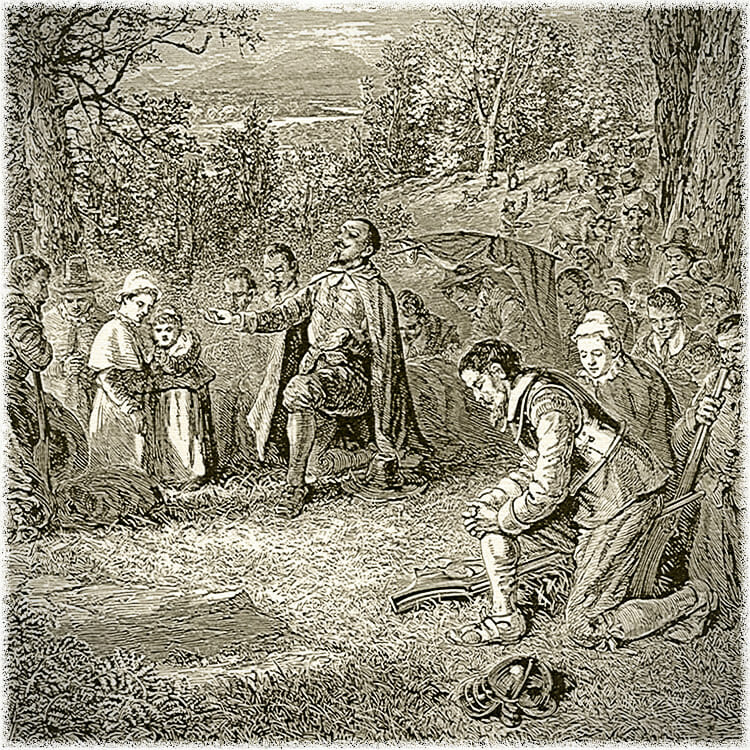
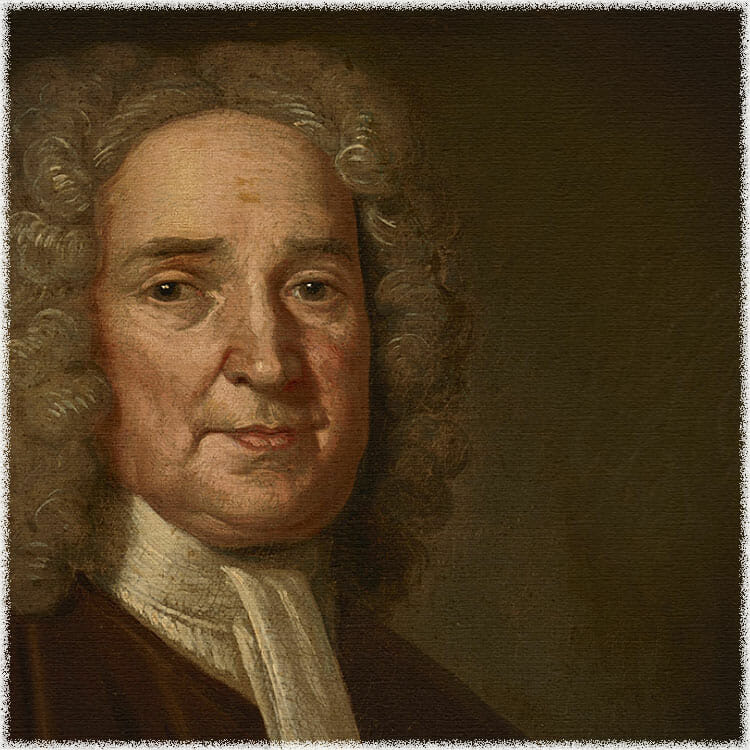
Rev. Thomas Hooker
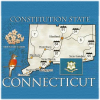
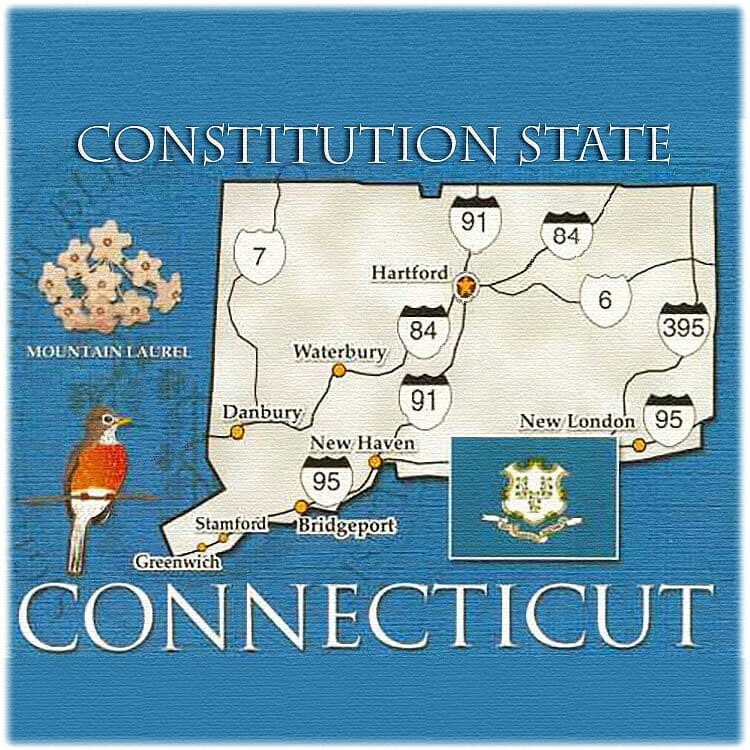
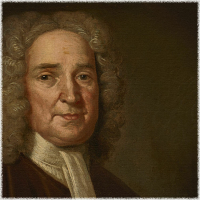
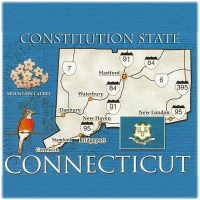
In January of 1639,[1] three towns of a new colony that had come to be called Connecticut charged the General Court with the responsibilities of drafting a Constitution for their colony. To provide adequate government for these towns (located outside of Massachusetts), representatives were chosen from the three towns and a General Court was convened at Hartford. As was customary to initiate such proceedings with Christian spirituality, Rev. Thomas Hooker preached a powerful sermon to the elected representatives. In it, he stated that "the foundation of all authority is laid . . . in the free consent of the people" and that "the privilege of election . . . belongs to the people." Rev. Hooker advocated that all citizens be granted the opportunity to vote for elected government officials—a privilege not to be reserved for church members only. Under the influence of Rev. Hooker, The Fundamental Orders, or constitution, of the new colony of Connecticut became the first written constitution in Western civilization—a document that was highly influential in the formation of the U.S. Constitution. For this reason, Connecticut is called "The Constitution State."
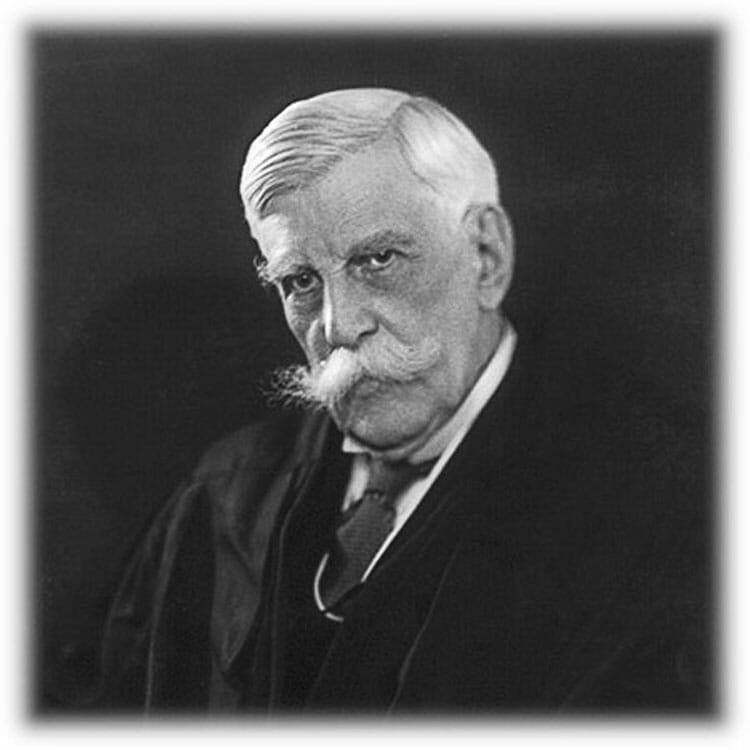
Oliver Wendell Holmes, Jr
While many Americans point to the 1960s as the point from which present-day law began its departure from the historic legal foundation of America, this divergence began decades earlier. With the publication of the Darwinian philosophy, Origin of Species (1859), legal and theological scholars—as well as scholars in other disciplines—began to embrace evolution as the model for their respective disciplines. By the end of the nineteenth century, theological schools throughout America had begun to interpret and explain the Bible through the lens of Darwinian philosophy. In the same way, legal studies in America began to move away from the Constitution as the nation's legal standard to favor the "legal realism" of Associate Justice of the Supreme Court, Oliver Wendell Holmes, Jr. (March 8, 1841 - March 6, 1935). By the 1940s, Holmes' "legal realism"—that suggested that social norms should be the basis for America's laws—was manifesting itself in the decisions of the Supreme Court. Since the 1940s, courts have increasingly regarded themselves as the supreme law of the land. The small number of liberal judges—comparatively speaking—that now regard themselves as America's social engineers have become America's judicial oligarchy—along with their liberal colleagues in jurisprudence!
The People as the Supreme Law of the Land
Lex Rex
With the disproportionate exercise of judicial power in America, the primary governmental force of America's Founding Fathers—"the people"—has been suppressed. Along with their fellow citizens, the Founding Fathers argued that the "law is king" (lex rex) rather than the divine right argument of European monarchs, the "king is law" (rex lex). Unlike the leaders of the godless secular French Revolution (1789ff), Americans believed that their laws must reflect the law of "their Creator." This fact was clearly reflected within the first two paragraphs of the Declaration of Independence:
When in the Course of human events, it becomes necessary for one people to dissolve the political bands which have connected them with another, and to assume among the powers of the earth, the separate and equal station to which the Laws of Nature and of Nature's God entitle them, a decent respect to the opinions of mankind requires that they should declare the causes which impel them to the separation.
We hold these truths to be self-evident, that all men are created equal, that they are endowed by their Creator with certain unalienable Rights, that among these are Life, Liberty and the pursuit of Happiness. —That to secure these rights, Governments are instituted among Men, deriving their just powers from the consent of the governed,—That whenever any Form of Government becomes destructive of these ends, it is the Right of the People to alter or to abolish it,…
The Founding Fathers believed that good government should seek to nurture and cultivate a climate in which the Creator's gifts of "unalienable Rights" could grow—and that ultimately, government derived its "just powers from the consent of the governed"—the people! The reason that "the people" obtain the place of greatest importance in American government was religious: "…they are endowed by the Creator with certain unalienable Rights." That government arose out of "the people" (as a gift from the "Creator") and not out of the dictates of the monarch was such a potent concept that this idea was deeply impressed into the first state constitutions:
[A] ll power is inherent in the people… (Pennsylvania)
All power is originally vested in the people… (South Carolina)
[N] o authority shall, on any pretense whatever, be exercised over the people… (New York)
[A] ll political power is vested in and derived from the people only. (North Carolina)
…all just authority in the institutions of political society is derived from the people. (Delaware)
[A] ll power being originally inherent in, and consequently derived from the people… (Vermont)
[A] ll power is vested in and consequently derived from the people. (Virginia)
[A] ll government of right originates from the people… (New Hampshire)
All power residing originally in the people… (Massachusetts)
[A] ll government of right originates from the people… (Maryland)
So important was this foundation of government to our Founding Fathers that it finally was accorded a place of priority in the Constitution of the United States: "We the people of the United States…" The Declaration of Independence, the constitutions of the individual states, and the federal Constitution make it abundantly clear that our Founding Fathers insisted that all American government must be accountable to the people!
Means of Accountability to the People
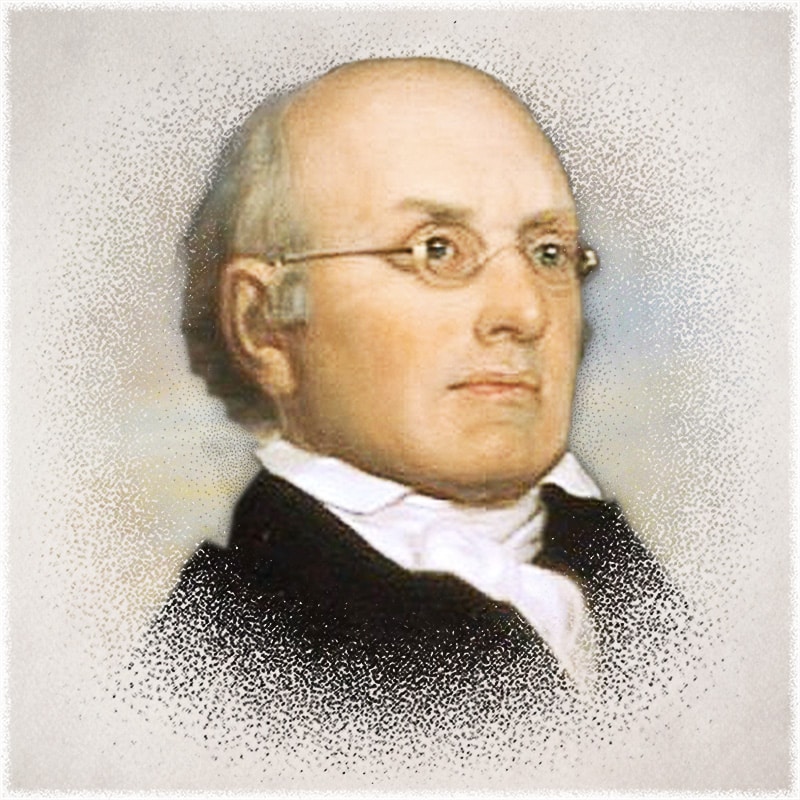
Joseph Story
To ensure that federal officials were accountable to the people, the Constitution provided for elections and impeachment. The ballot box was one means of holding elected officials accountable. Though Representatives and Senators were exempted from impeachment in 1797, all other officials are impeachable (Joseph Story, Commentaries on the Constitution of the United States, 2:259). Thus, the highest law in the land ensured that government officials were accountable to "the people." When the American people begin to insist upon the impeachment of those judges who deny the people their rights, their liberal colleagues will be far less likely to use the same tactic. If Christians voted and voted with a biblical conscience, the prospect for the America that our children and grandchildren inherit would be far, far brighter!

Judicial Activist, Chris Piazza
America's Founding Fathers argued that the "law is king" (lex rex) against the divine right argument of European monarchs, the "king is law" (rex lex). But America's liberal judiciary now believes they are the law. They have revived the tyranny of European monarchs. Rather than the people being the true framers of government, liberal jurisprudence has usurped the rightful place of the people! The belief that public officials may be unelected and unaccountable is un-American!
How can liberal judges be stopped from continuing to impose their will on America?
First, Stand-up! The first step to success begins with "the people." Nearly half of those who profess to be Christians do not vote! That is, they are uninvolved and uncommitted. Though they speak boldly in private, their actions are timid and weak. They would rather allow themselves and their children to be ruled by those who have no regard for the laws of the land. If there is to be change, Americans are going to have to stand up and speak out—and they should expect strong resistance for seeking to do what is right.
Second, Throw out! Move to impeach liberal judges. These judges routinely overturn the verdicts of juries, nullify the vote of the people, and deny states their rights under the Constitution. This pattern is impeachable! Throw them out!
Finally, Bring back! Every activist decision of liberal judges should be revoked! Rescind every lawless decision and allow "the people" to once again govern in America!
Celebrating Our Christian Heritage!
We are a user supported non-profit organization. Your small gift is tax-deductible and will go a long way to help us meet our operating budget — and it is vital, because
America deserves to know its true heritage.
Please contribute today!
Click to donate
America deserves to know its true heritage.
Please contribute today!
[1] Contemporary chronology places the ratification of The Fundamental Orders on January 24, 1639. The Julian dating system being used by the English at that time placed the convening of this General Court ten days prior to the contemporary date of January 24. However, Britain changed to the Gregorian calendar, which we use today, in 1751. When the Gregorian calendar was accepted for use in 1751, 11 days had to be added to their dates to come up to the equivalent Gregorian dates, but in 1639, they were 10 days behind the Gregorian calendar.
* Judicial Activism Silences The People *
* Judicial Activism Silences The People *
* Judicial Activism Silences The People *
* Judicial Activism Silences The People *
* Judicial Activism Silences The People *
* Judicial Activism Silences The People *
* Judicial Activism Silences The People *
* Judicial Activism Silences The People *
* Judicial Activism Silences The People *
* Judicial Activism Silences The People *
* Judicial Activism Silences The People *
* Judicial Activism Silences The People *
* Judicial Activism Silences The People *
* Judicial Activism Silences The People *
* Judicial Activism Silences The People *
* Judicial Activism Silences The People *
* Judicial Activism Silences The People *
* Judicial Activism Silences The People *
* Judicial Activism Silences The People *
* Judicial Activism Silences The People *
* Judicial Activism Silences The People *
* Judicial Activism Silences The People *
* Judicial Activism Silences The People *
* Judicial Activism Silences The People *
* Judicial Activism Silences The People *
* Judicial Activism Silences The People *
* Judicial Activism Silences The People *
* Judicial Activism Silences The People *
* Judicial Activism Silences The People *
* Judicial Activism Silences The People *
* Judicial Activism Silences The People *
* Judicial Activism Silences The People *
* Judicial Activism Silences The People *
* Judicial Activism Silences The People *
* Judicial Activism Silences The People *
* Judicial Activism Silences The People *
* Judicial Activism Silences The People *
* Judicial Activism Silences The People *
 Christian Heritage Fellowship FacebookChristian Heritage Fellowship FacebookChristian Heritage Fellowship Facebook
- 1
- 1share