Philip Livingston
Posted by Dr. Stephen Flick | Jun 14, 2025 | American History, Christian Calendar (Holidays), Christian History, June Articles, Signers of Declaration of Independence | 0
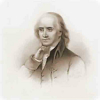
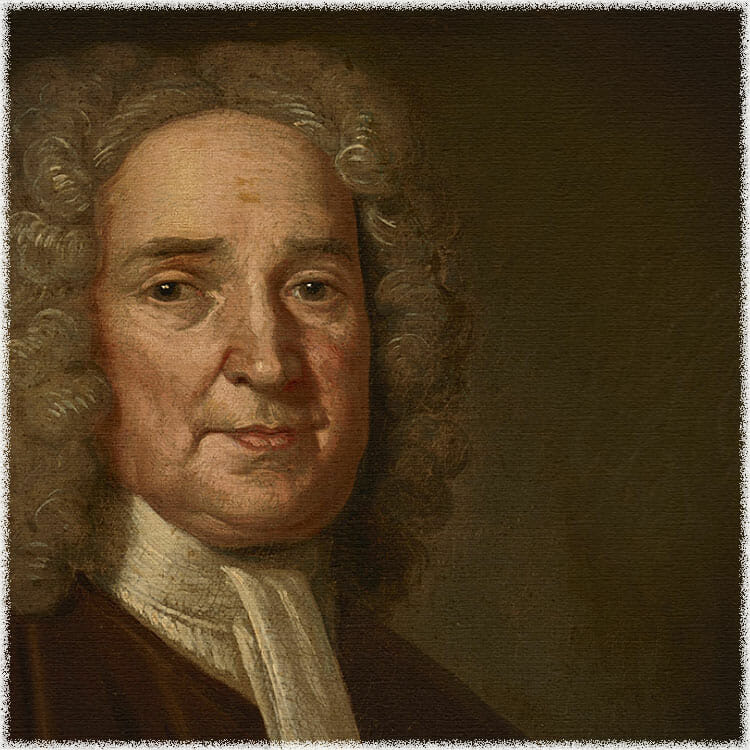
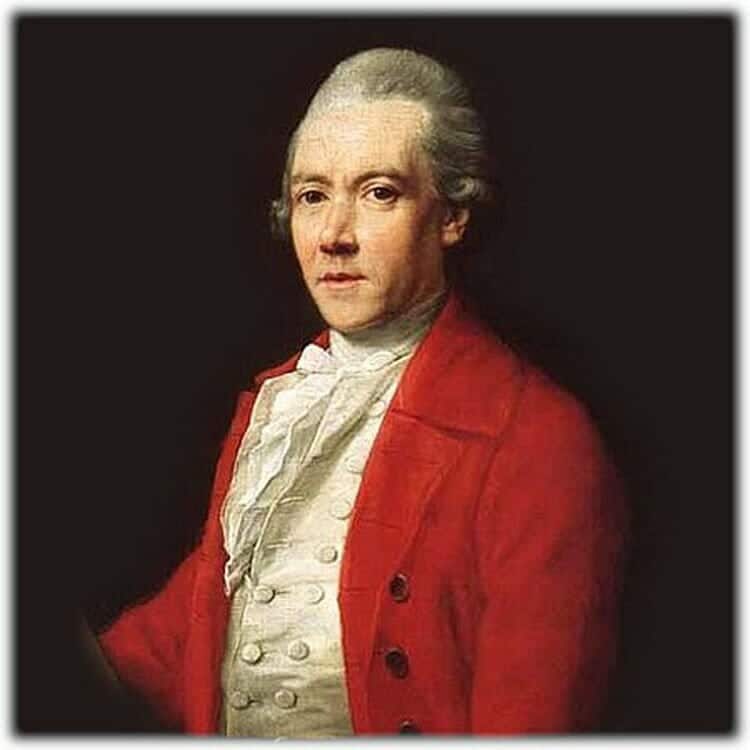
Philip Livingston (January 15, 1716 – June 12, 1778) was an American merchant and statesman from New York City. He was a delegate for New York to the Continental Congress from 1775 to 1778, and signed the Declaration of Independence.
Stephen Flick heads Christian Heritage Fellowship, an organization dedicated to reclaiming America’s Christian Heritage and celebrating the life-changing influence of the Gospel around the world. Concerned with the cultural decay of America, Dr. Flick has sought to provide answers to fellow Christians (and unbelievers) concerning the questions and objections to Christianity often posed by secularists and the irreligious. Dr. Flick is a writer and speaker and has authored numerous articles and books on America’s Christian heritage. He earned his PhD from Drew University (Madison, NJ) in history and Christian theology and has taught at the graduate level as full professor. He is a licensed minster and resides in East Tennessee. He and his late wife, Beth Anne, have two grown, married children and six grandchildren.
Biblical | February Articles | Historical | Products
Described by some participants as one of the most meaningful services in which they have ever participated, A Service of the Cros…
January Articles | Signers of Declaration of Independence
Francis Lightfoot Lee (October 14, 1734 – January 11, 1797) was a member of the House of Burgesses in the Colony of Virginia. As …
American Judiciary | January Articles
January 22, 1973 (Roe vs Wade) was a glaring act of social engineering by an unconstitutional judiciary. "We the people" are the…
Christian Calendar (Holidays) | January Articles
For decades, evolutionists had argued that a child developing within the womb of his mother passed through stages of development …
American History | Christian Beliefs | Christian History | January Articles
Leaving the deism of his youth and the immorality it produced, Benjamin Franklin came to realize that the Calvinism of his youth …