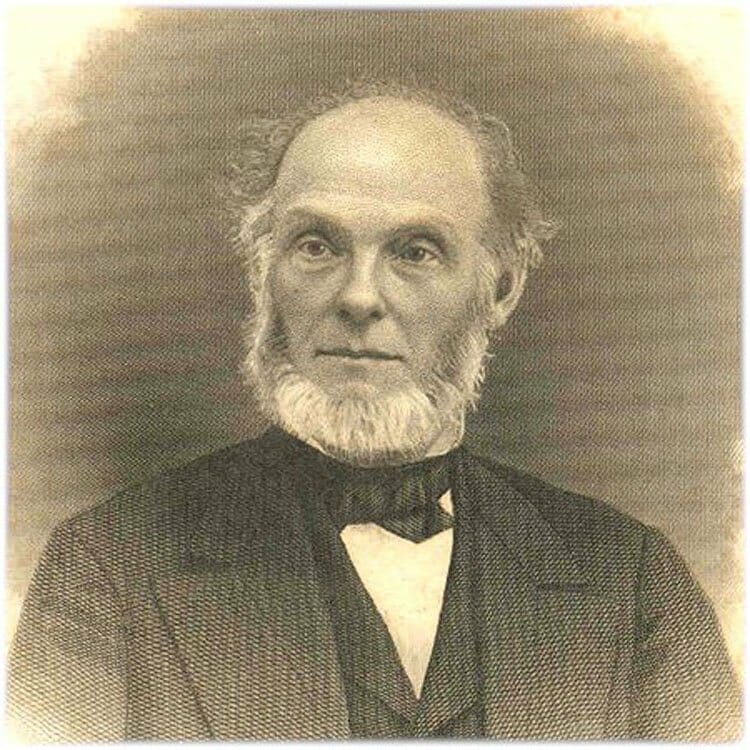
Dr. Stephen Flick

Stephen Flick heads Christian Heritage Fellowship, an organization dedicated to reclaiming America’s Christian Heritage and celebrating the life-changing influence of the Gospel around the world. Concerned with the cultural decay of America, Dr. Flick has sought to provide answers to fellow Christians (and unbelievers) concerning the questions and objections to Christianity often posed by secularists and the irreligious. Dr. Flick is a writer and speaker and has authored numerous articles and books on America’s Christian heritage. He earned his PhD from Drew University (Madison, NJ) in history and Christian theology and has taught at the graduate level as full professor. He is a licensed minster and resides in East Tennessee. He and his late wife, Beth Anne, have two grown, married children and six grandchildren.

Posts by Dr. Stephen Flick:

Philip Livingston

Philip Livingston

American History, Christian Calendar (Holidays), Christian History, June Articles, Signers of Declaration of Independence

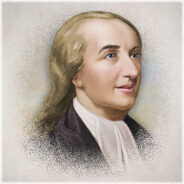
June 12, 1778 Death of Signer, Philip Livingston Philip Livingston (January 15, 1716 – June 12, 1778) was an American merchant and statesman from New York City. He was a delegate for New York to the Continental Congress from 1775 to 1778, and signed the Declaration of...Read more... Read more...

When Congress Asked America to Fast, Pray, and Give Thanks

When Congress Asked America to Fast, Pray, and Give Thanks

American History, Christian Calendar (Holidays), Christian History, Historical, June, Products

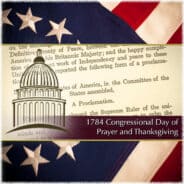
This post is part 1 of the series:When Congress Asked America to Fast, Pray, and Give Thanks to God $10 @ Amazon Store On June 12, 1775, the Continental Congress issued one of its first fast day proclamations when John Hancock of Massachusetts was president of Congress. Hancock, one of the wealthiest Americans of his day, was the son and grandson of Christian ministers and was...Read more... Read more...
June 12, 1775: First Congressional Fasting and Prayer Proclamation

June 12, 1775: First Congressional Fasting and Prayer Proclamation

Congressional Spiritual Proclamations, June Articles, Prayer

This post is part 2 of the series:When Congress Asked America to Fast, Pray, and Give Thanks to GodJune 12, 1775 The Second Continental Congress issues the first of sixteen spiritual proclamations concerning prayer, fasting, humiliation, and thanksgiving Before adjourning the First Continental Congress on October 26, 1774, representatives stipulated that if the grievances that existed...Read more... Read more...

Francis Scott Key Evangelizes Muslims

Francis Scott Key Evangelizes Muslims

American History, Islam, Other Than Christianity

While it is true that America's Founding Fathers welcomed immigrants to America from other religions, it is not true that they esteemed those religions to be equal in standing with their own Christian religion. Contrary to the insistence of contemporary atheists, agnostics, and other secularists, America's Founding Fathers were overwhelmingly Christian! As early as the 1920s,...Read more... Read more...
George Wythe

George Wythe

American History, Christian Calendar (Holidays), Christian History, June Articles, Signers of Declaration of Independence

June 8, 1806 Death of Signer, George Wythe George Wythe (1726 – June 8, 1806) was the first American law professor, a noted classics scholar and Virginia judge, as well as a prominent opponent of slavery. The first of the seven Virginia signatories of the United States Declaration of Independence, Wythe served as one of Virginia's representatives to the Continental Congress and the...Read more... Read more...
Quote Cloud

"Almost all the civil liberty now enjoyed in the world owes its origin to the principles of the Christian religion. Men began to understand their natural rights, as soon as the reformation from popery began to dawn in the sixteenth century; and civil liberty has been gradually advancing and improving, as genuine Christianity has prevailed. By the principles of the Christian religion we are not to understand the decisions of ecclesiastical councils...No; the religion which has introduced civil liberty, is the religion of Christ and his apostles, which enjoins humility, piety and benevolence; which acknowledges in every person a brother, or a sister, and a citizen with equal rights. This is genuine Christianity, and to this we owe our free constitutions of government. "
– Noah Webster, "Schoolmaster of America"
History of the United States, 299f
Purchase Brochure
0 View