Results for: "January"

test

The results for your search of "January" are listed below. Please click on the title or image to navigate to the desired item.

Please check the page navigation indicator at the top right or bottom right of the results to determine the number of search pages containing articles with the keyword(s): "January".
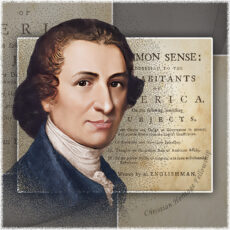
Thomas Paine Argues, “No King But God”

American History, Christian Calendar (Holidays), Christian History, January Articles

January 10, 1776 Paine's Common Sense published A growing number in America have suggested that religion or Christianity should have no place in the political life of the nation. The Founding Fathers, however, never believed nor advocated irreligion. In fact, secularists cannot demonstrate a single occasion in any of the original Thirteen Colonies and subsequent Thirteen United States that irreligion or deism had any impact upon the political life of those individual states or the nation as a whole. The overwhelming majority of Founding Fathers were members of orthodox Christian...Read more... Read more... -->

How Thomas Paine Betrayed America

American History, Concepts of God, January Articles, Other Than Christianity, Thomas Jefferson

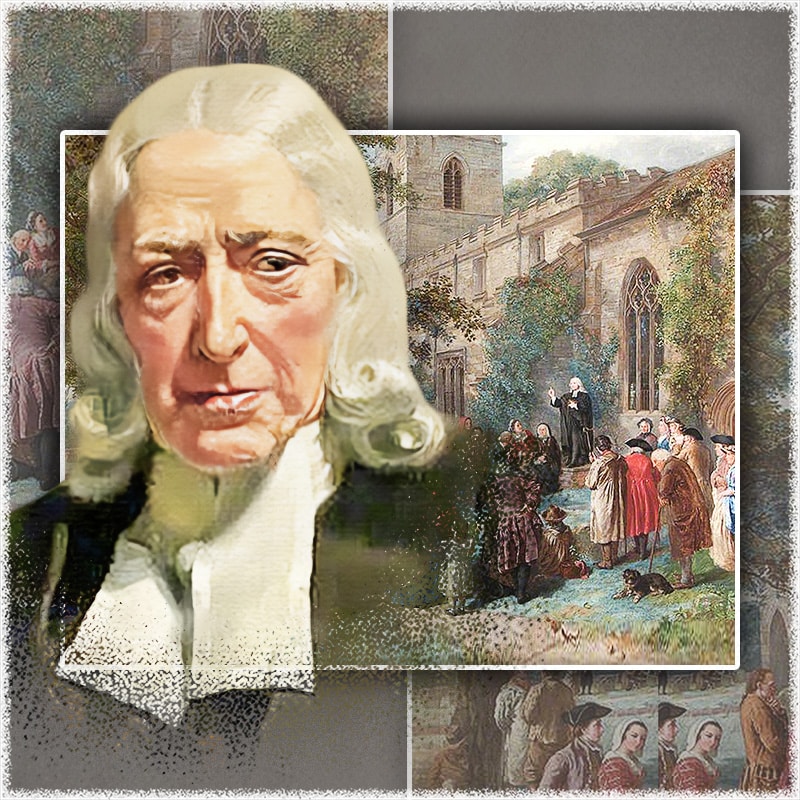
Thomas Paine is often employed by the political left as justification for their false claim that America was established as a secular nation. The facts, however, completely expose their uninformed argument. Click to read the entire article… January 10, 1776 Paine's Common Sense published While Thomas Paine is remembered positively for his contribution to American independence through his book, Common Sense, his contemporary defenders overstate his influence when they credit him as being the primary force of the American cause. His supporters associate Paine's later deistic beliefs of...Read more... Read more... -->

Samuel Huntington

January Articles, Signers of Declaration of Independence

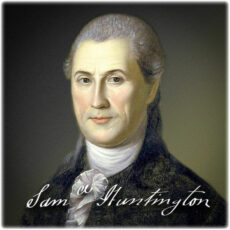
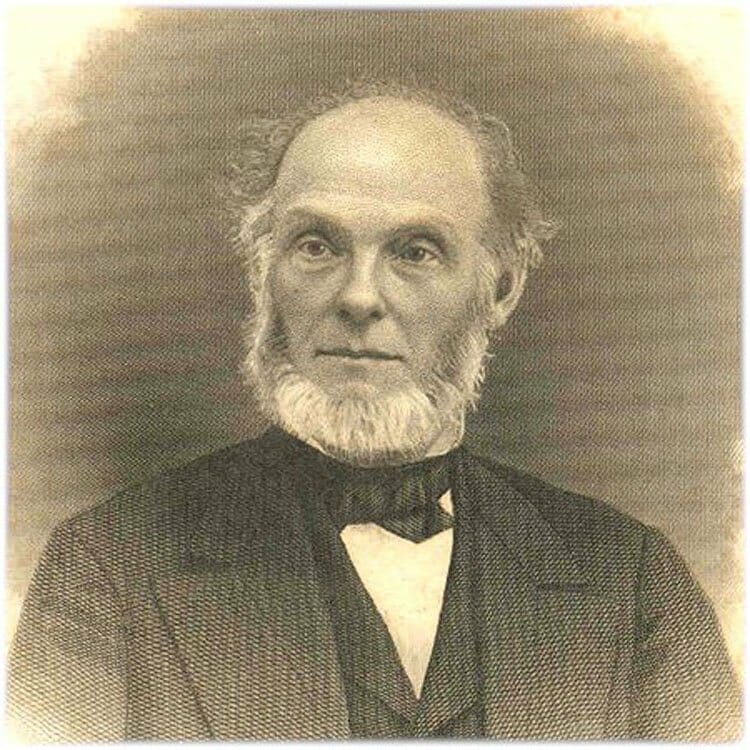
January 5, 1796 Samuel Huntington, signer of the Declaration of Independence, passed away Samuel Huntington (July 16, 1731 – January 5, 1796) was a jurist, statesman, and Patriot in the American Revolution from Connecticut. As a delegate to the Continental Congress, he signed the Declaration of Independence and the Articles of Confederation.Samuel Huntington Christian Heritage Fellowship, Inc. is dedicated to reclaiming America’s Christian Heritage and celebrating the life-changing influence of the Gospel around the world. Our ministry seeks to speak to several specific areas of need. First,...Read more... Read more... -->

Thomas Nelson, Jr.

January Articles, Signers of Declaration of Independence

January 4, 1789 Death of Thomas Nelson, Jr. Thomas Nelson, Jr. (December 26, 1738 – January 4, 1789) was an American planter, soldier, and statesman from Yorktown, Virginia. He represented Virginia in the Continental Congress and was its Governor in 1781. He is regarded as one of the U.S. Founding Fathers since he signed the Declaration of Independence as a member of the Virginia...Read more... Read more... -->

Thomas Jefferson’s Wall of Separation Letter

American History, January Articles, Role of Pastors, Thomas Jefferson

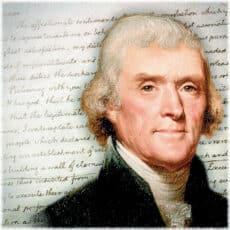
January 1, 1802 Jefferson's 'Separation' letter On January 1, 1802, Thomas Jefferson penned a letter that has been employed by secularists against America's historic legal foundation. Repeatedly members of the Supreme Court have relied upon secular interpretations of both the writings and personal example of Thomas Jefferson. Employing Jefferson against the previous historic rulings of the Supreme Courts and the Christian foundation of American law, the Supreme Court, since 1947, has relied upon skewed and misinterpreted excerpts taken from the writings of Thomas Jefferson. A...Read more... Read more... -->

Current Resource

Quote Cloud

"Almost all the civil liberty now enjoyed in the world owes its origin to the principles of the Christian religion. Men began to understand their natural rights, as soon as the reformation from popery began to dawn in the sixteenth century; and civil liberty has been gradually advancing and improving, as genuine Christianity has prevailed. By the principles of the Christian religion we are not to understand the decisions of ecclesiastical councils...No; the religion which has introduced civil liberty, is the religion of Christ and his apostles, which enjoins humility, piety and benevolence; which acknowledges in every person a brother, or a sister, and a citizen with equal rights. This is genuine Christianity, and to this we owe our free constitutions of government. "
– Noah Webster, "Schoolmaster of America"
History of the United States, 299f
Purchase Brochure
0 View